Computer engineering · ML research · scientific systems

Hey, I'm
Abdul Majeed.

I build machine learning pipelines and automation tools that connect code to real scientific hardware.

Hampton University · Class of 2028

I like problems that cross boundaries.

I'm pursuing a Bachelor's degree in Computer Engineering with a minor in Mathematics at Hampton University. Programs such as AI4ALL have helped me deepen my understanding of artificial intelligence beyond the classroom.

My work spans machine learning, scientific data processing, cloud tools, databases, and hardware control. In research and hackathons, I've applied those skills to astronomy, fusion instrumentation, adoption workflows, and voting systems.

I also care about the teams around the technology. I've coordinated community service initiatives, supported the on-campus living experience, and stayed active in technical and cultural organizations.

PythonC++JavaScriptSwiftPyTorchscikit-learnAstropyPandasNumPyML infrastructureCloud computingHardware automationScientific computing
2026May — August

Software / ML Research Intern

Harvard-Smithsonian Center for Astrophysics

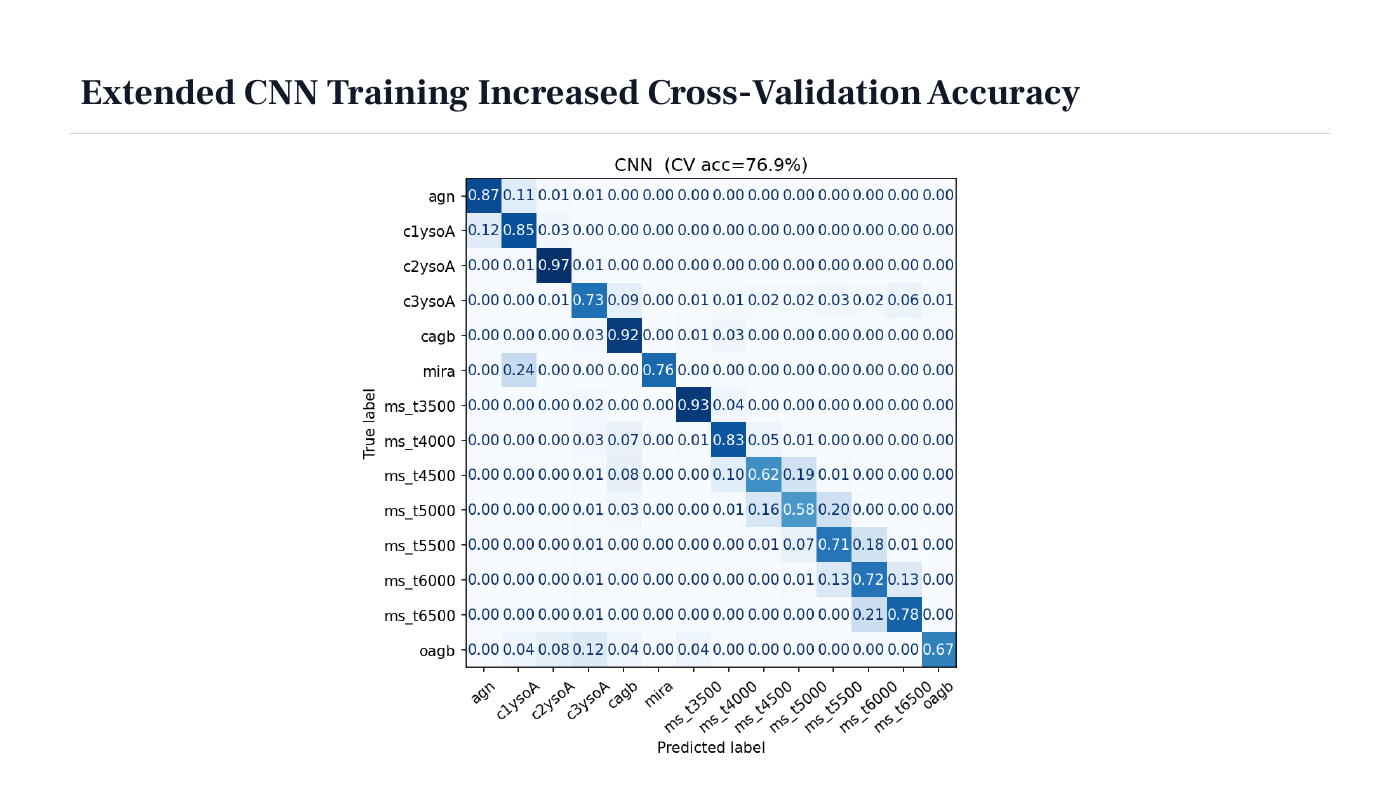
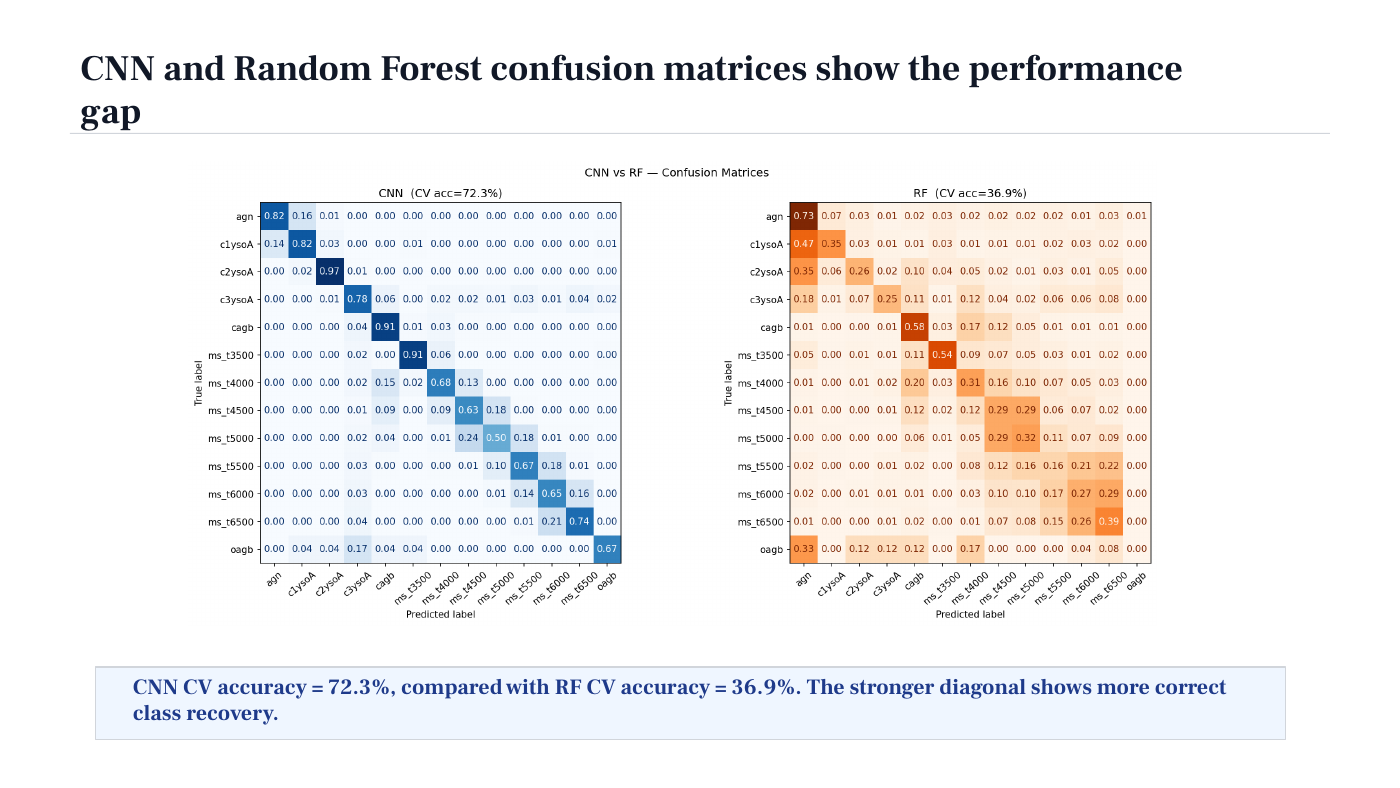
Built the SPHEREx classification pipeline from raw astronomical spectra through large-scale inference. I refined template labels, cleaned MIRA examples, added augmentation, and extended training to improve the CNN's cross-validation performance.

2026Research team

Research Engineer · STAR_Lite / HU Fusion

Hampton University

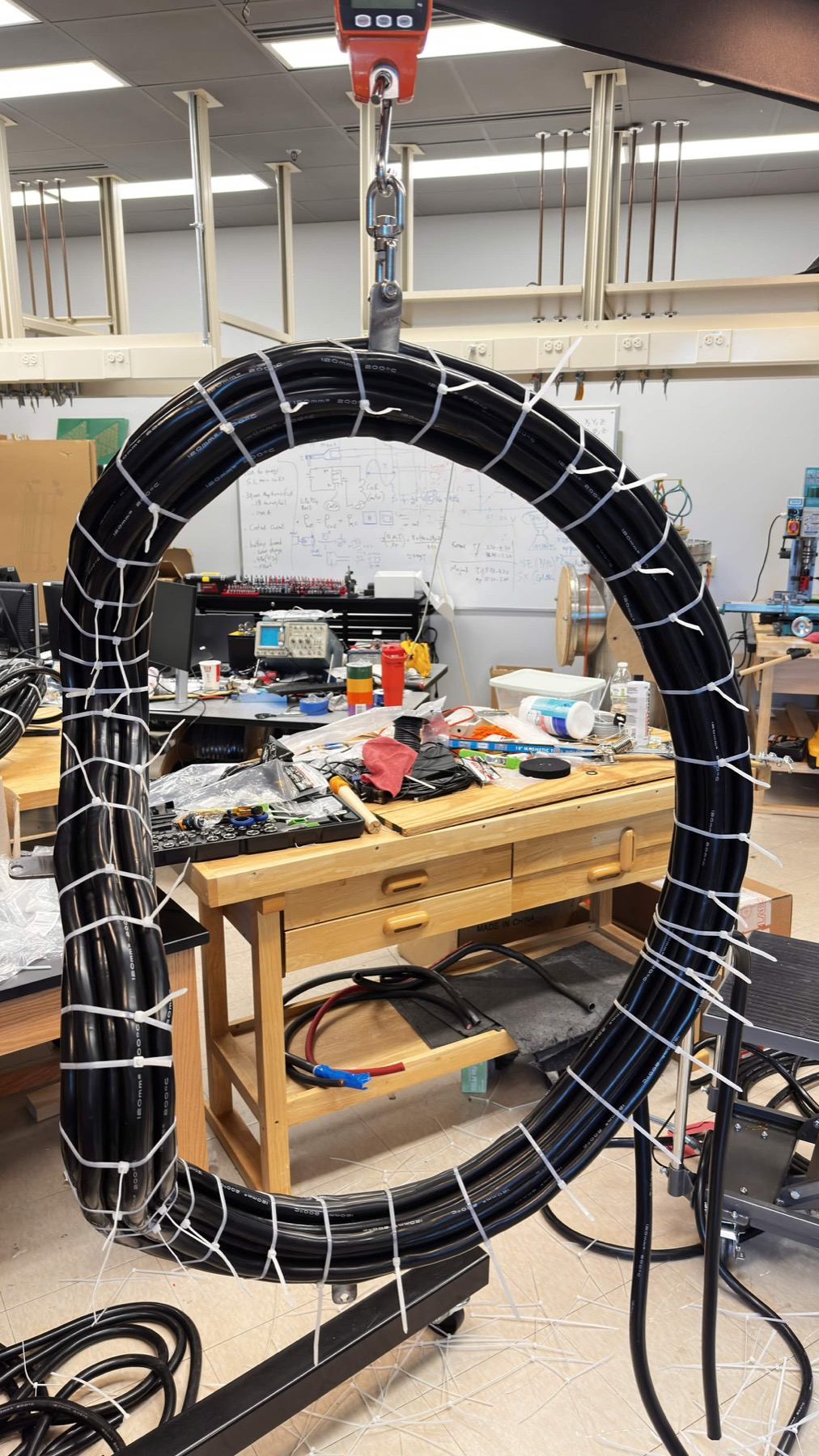
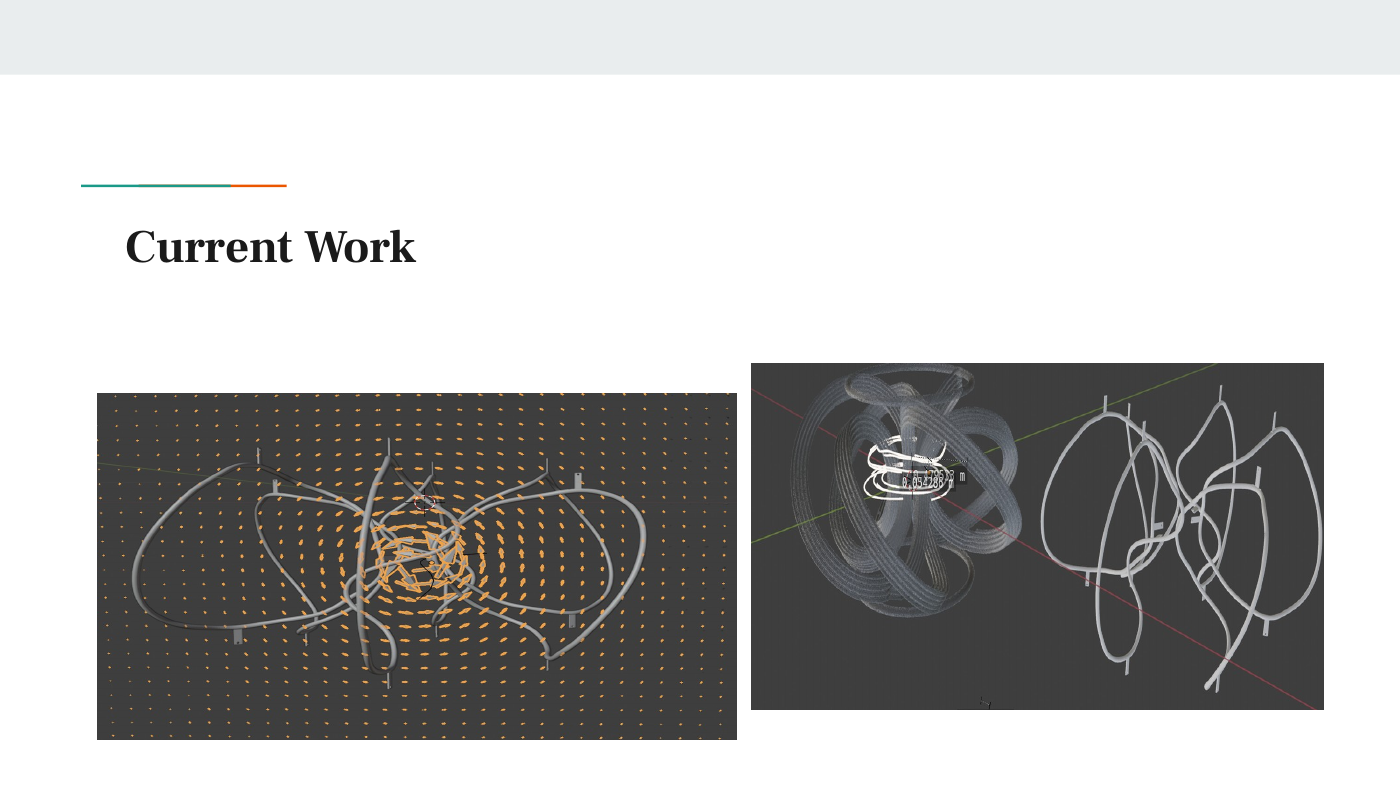
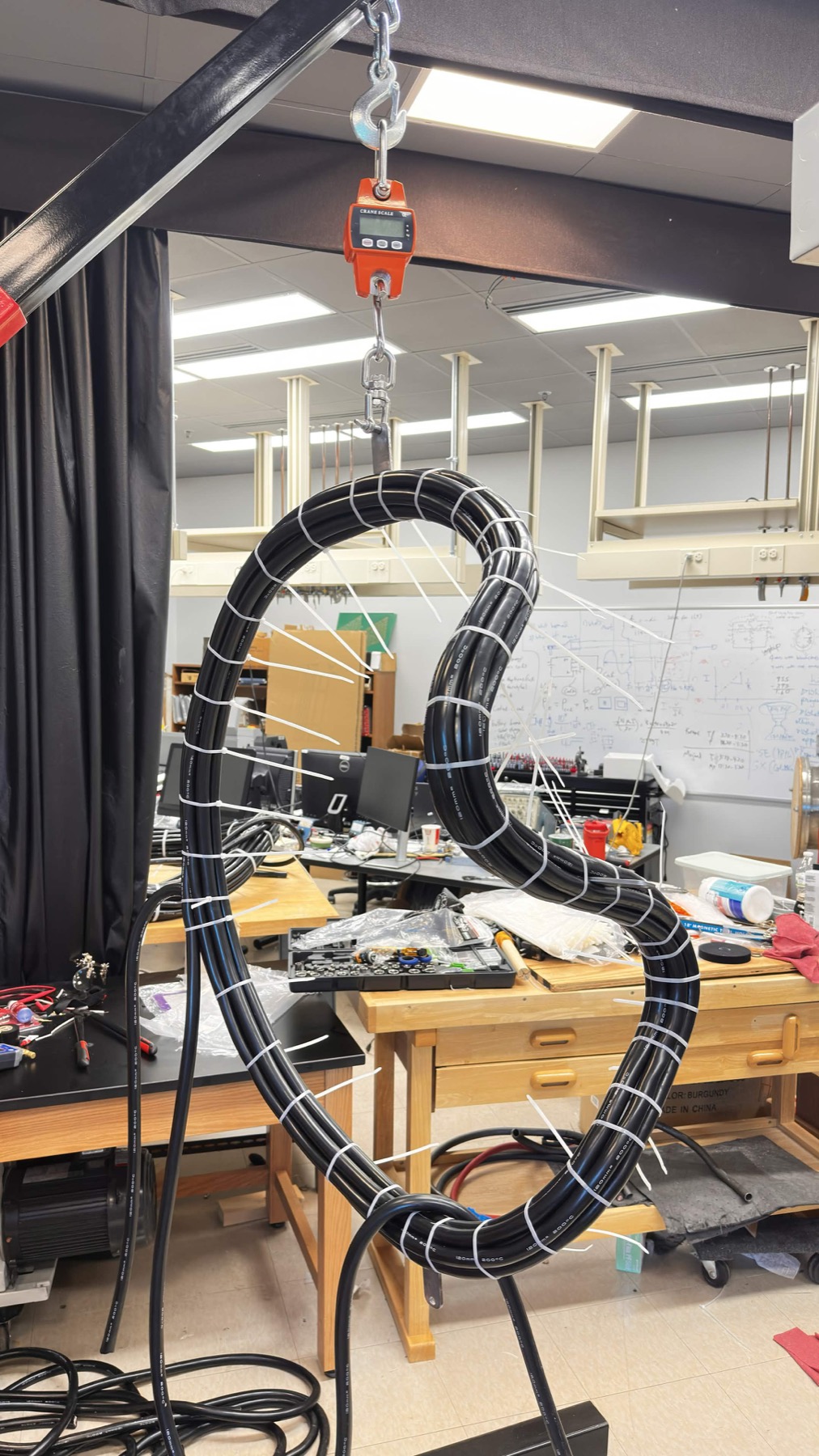
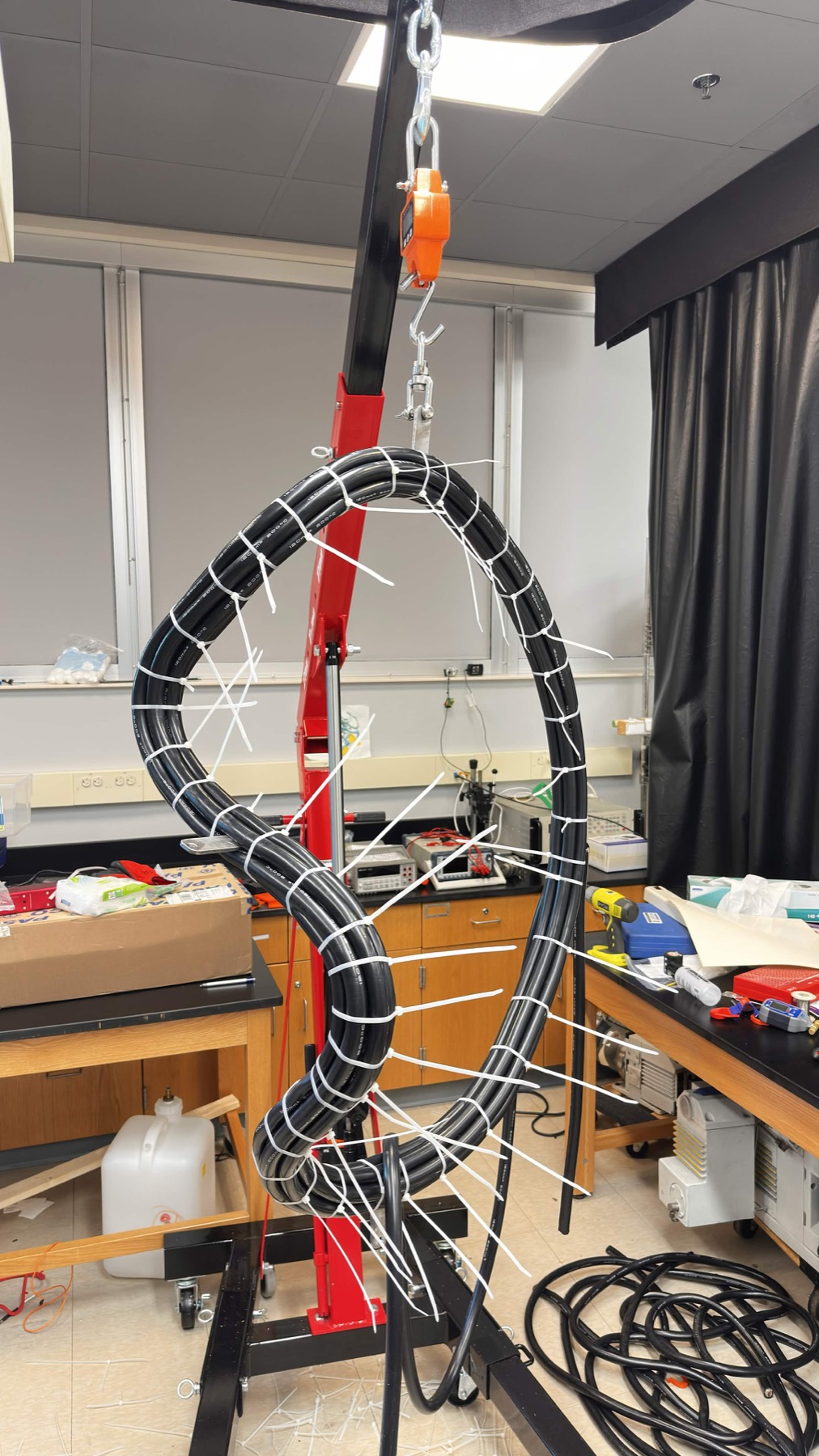
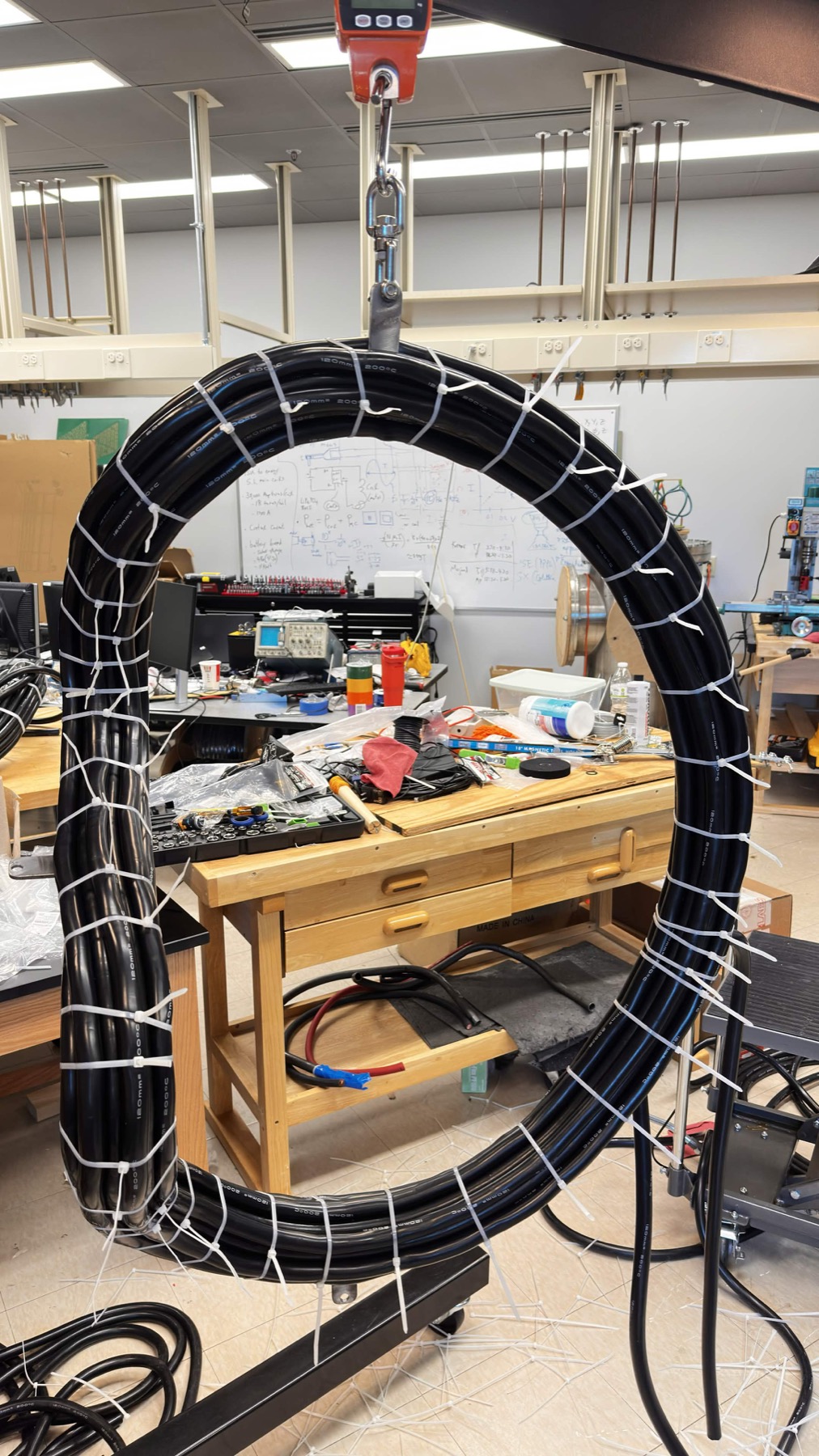
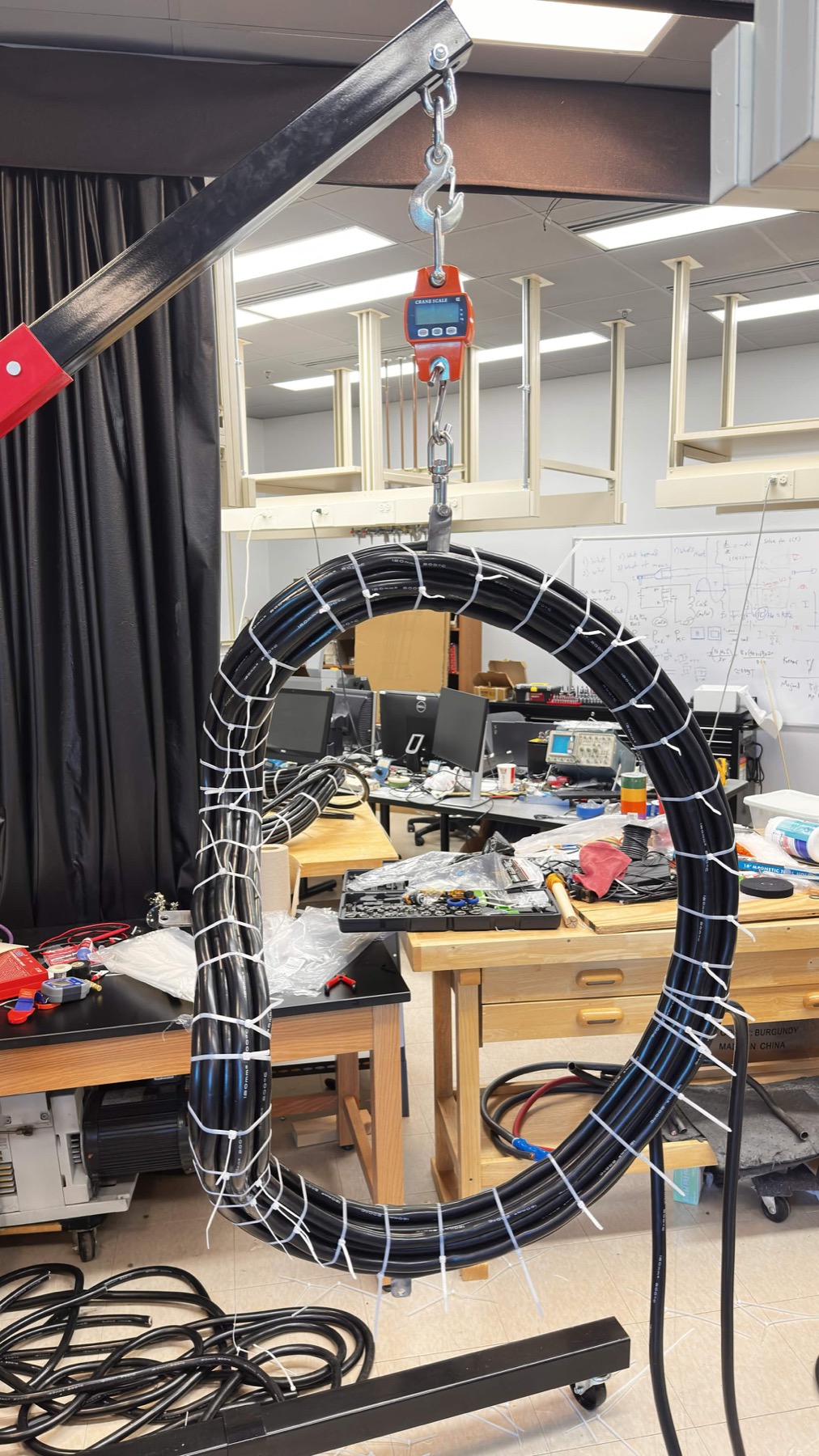
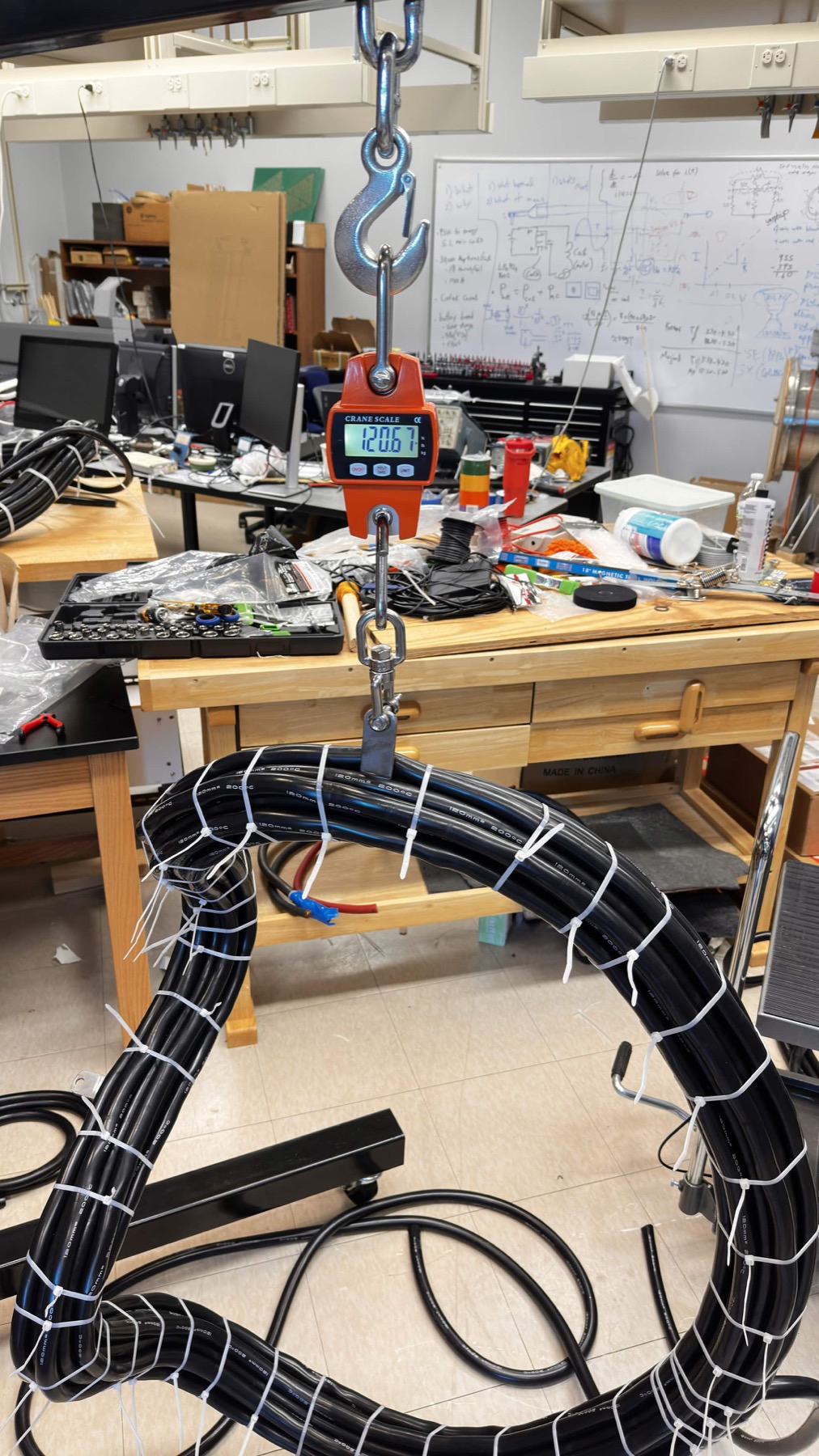
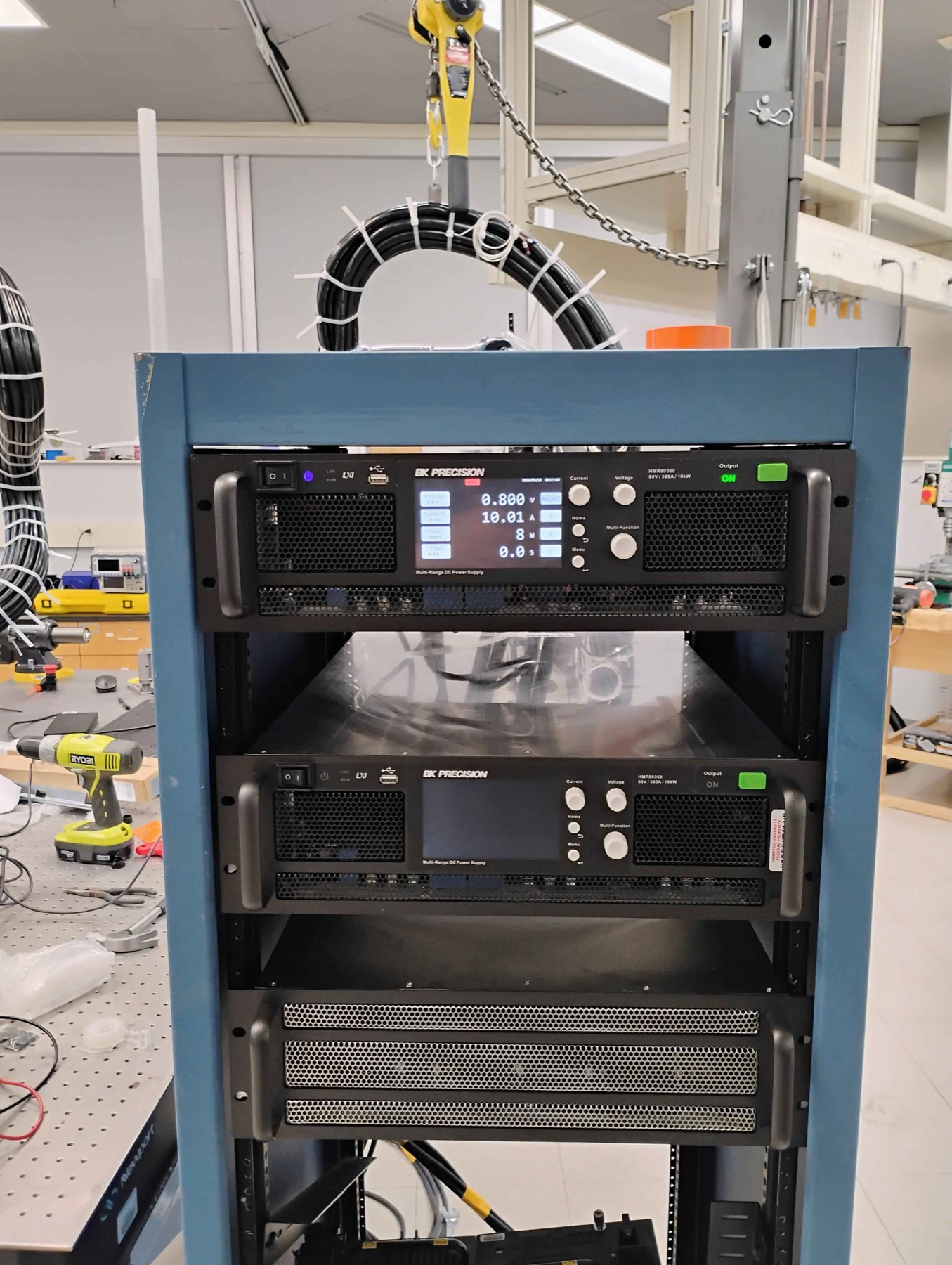
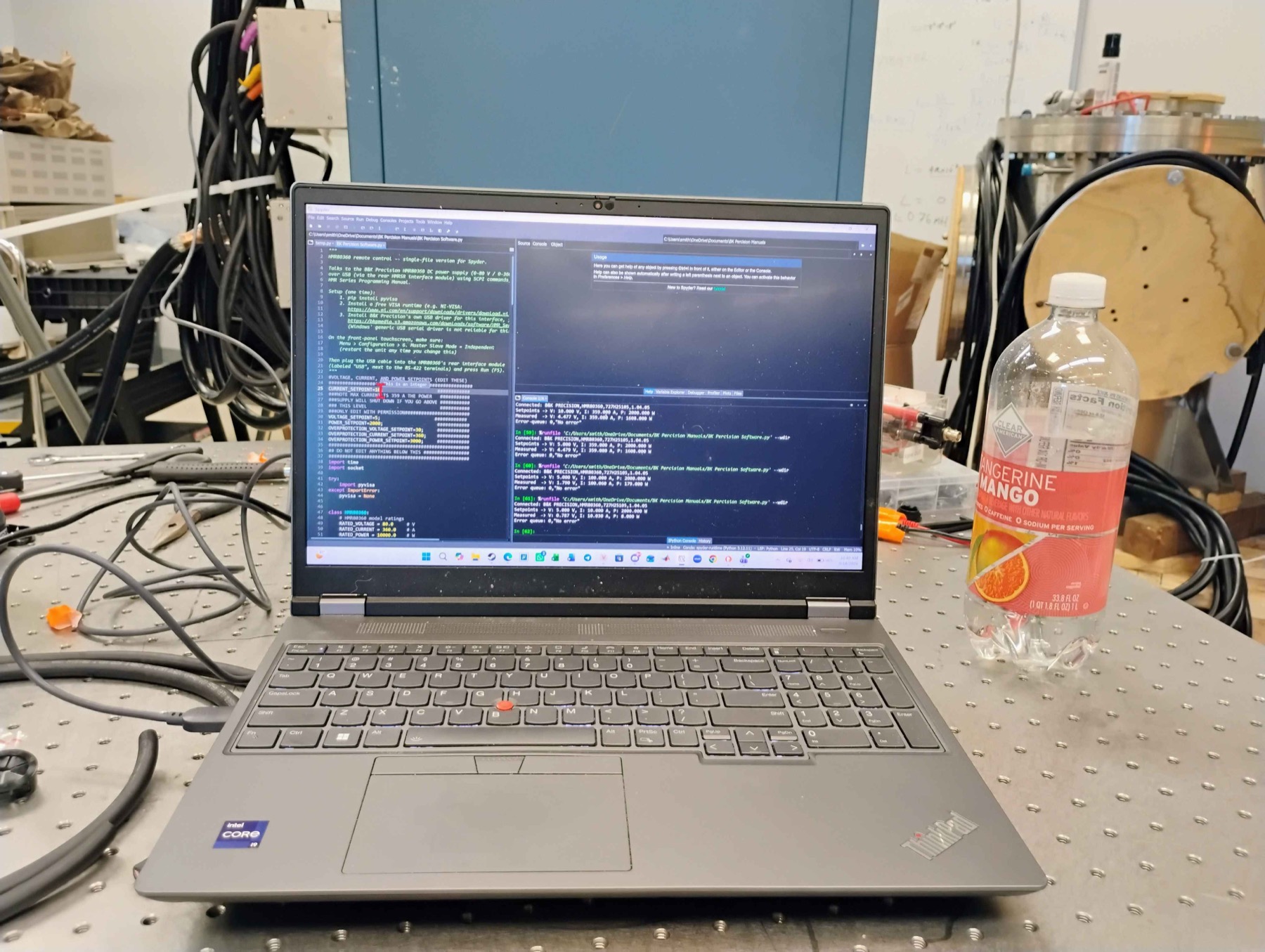
Engineered Python automation for Thorlabs Kinesis X/Y/Z translation stages and co-developed the OCTO-BEE Hall-probe application for setup, live visualization, calibration, and experimental acquisition. I also supported coil winding and programmable power control, maintained the HU Fusion website with React, Vite, and Firebase, and created interactive Blender/VR particle-trajectory visualizations.

01

SPHEREx source classification

An end-to-end machine learning pipeline for classifying astronomical FITS spectra. The work combined PCA and ice-depth features with Random Forest, RBF-SVM, Gradient Boosting, and a PyTorch 1D-CNN.

spherex-source-classification.py
01spectra = load_fits_catalog(files)
02features = PCA(83).fit_transform(spectra)
03x = concat(features, ice_depths)
04predictions = cnn.classify(x)

ResultImproved CNN cross-validation accuracy from a 36.9% Random Forest baseline to 76.9%, then built batched inference for catalogs containing hundreds of thousands of sources.

02

STAR_Lite magnetic field system

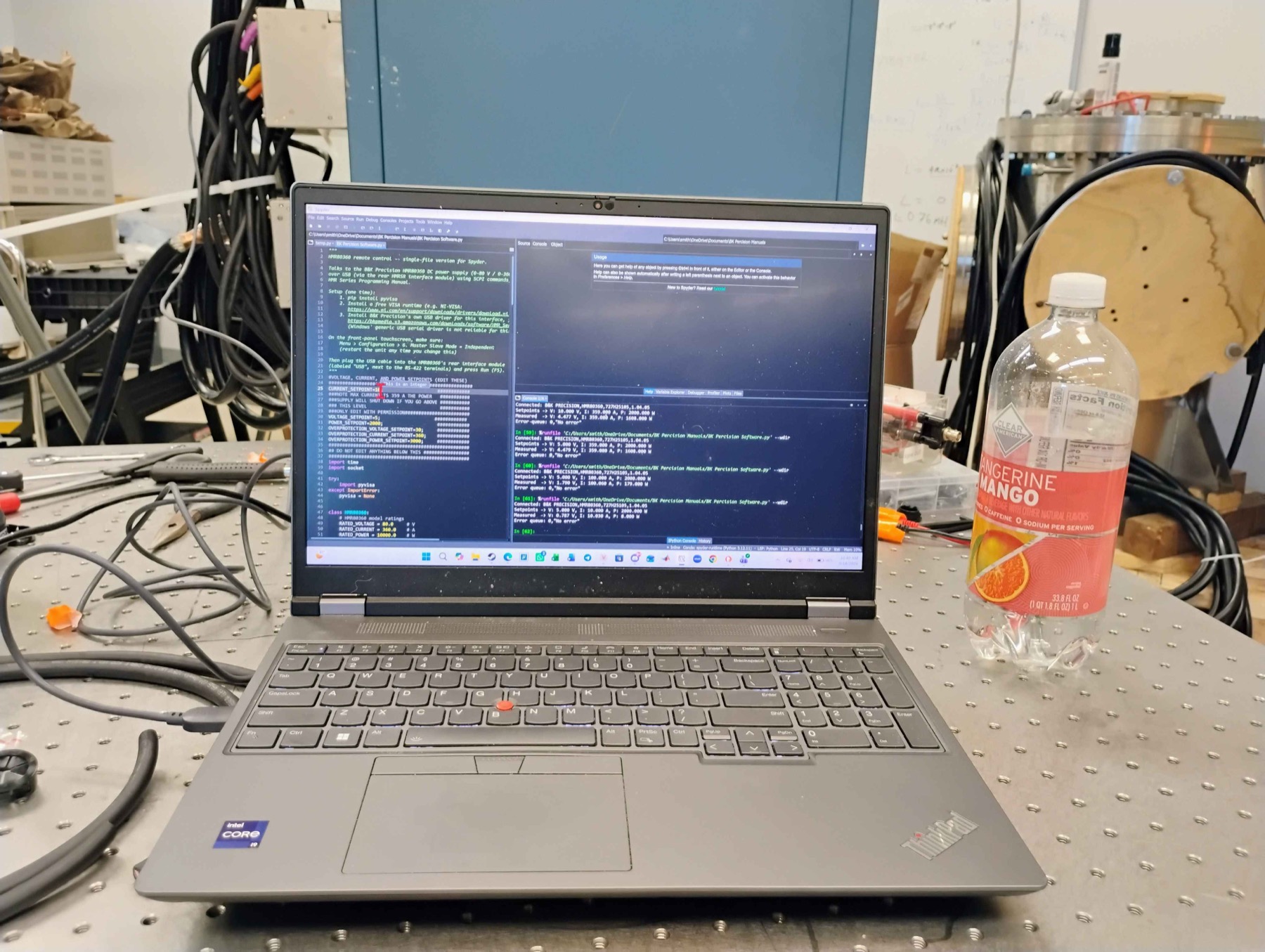
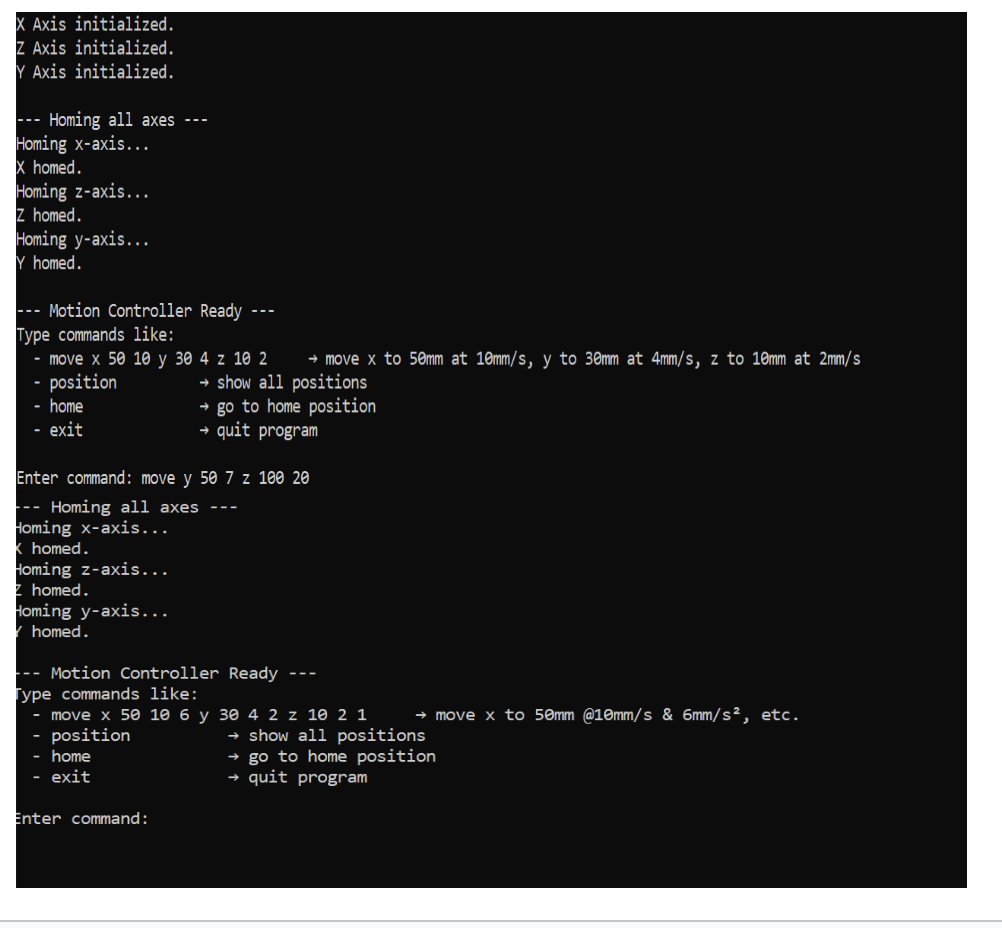
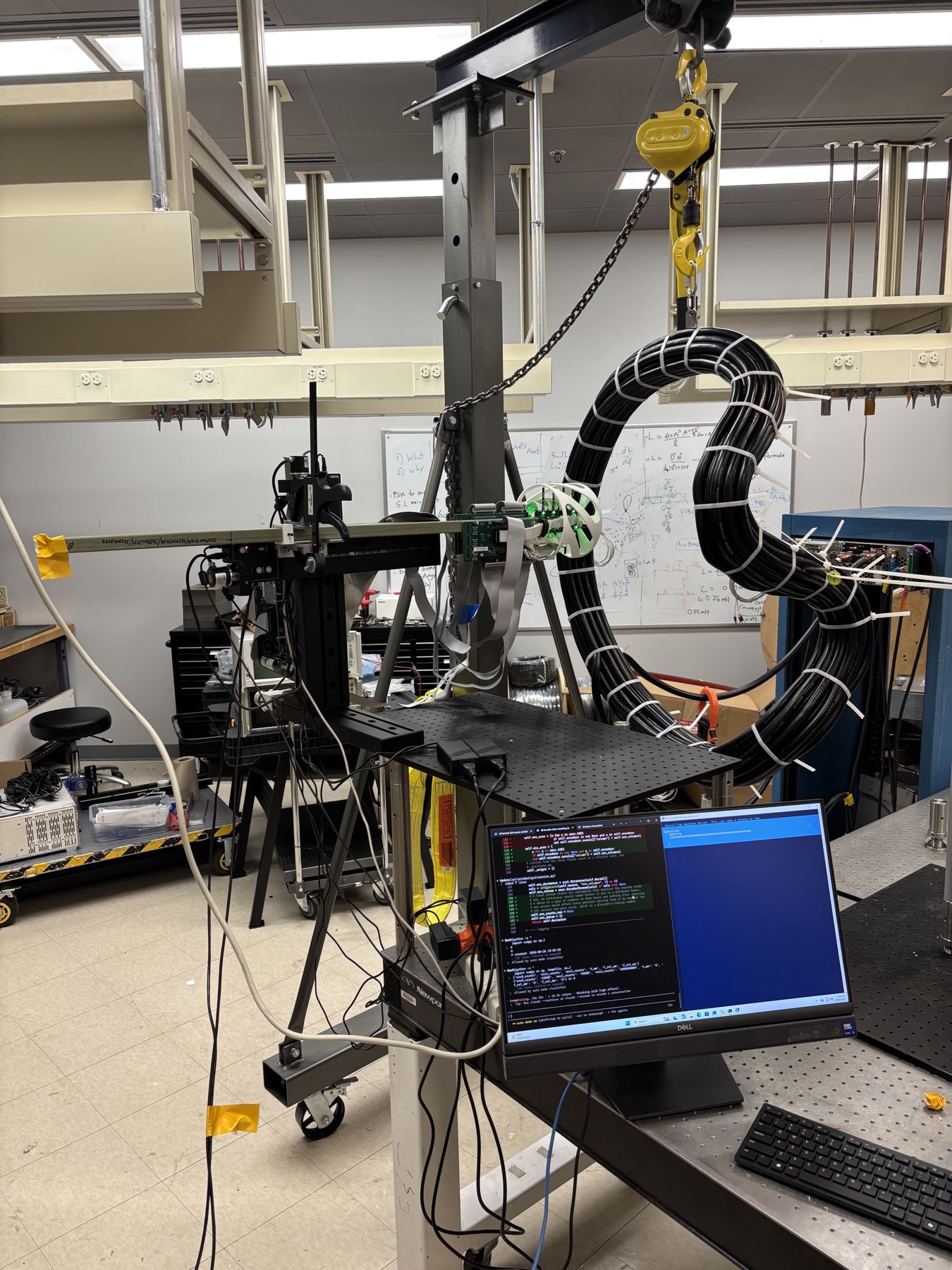
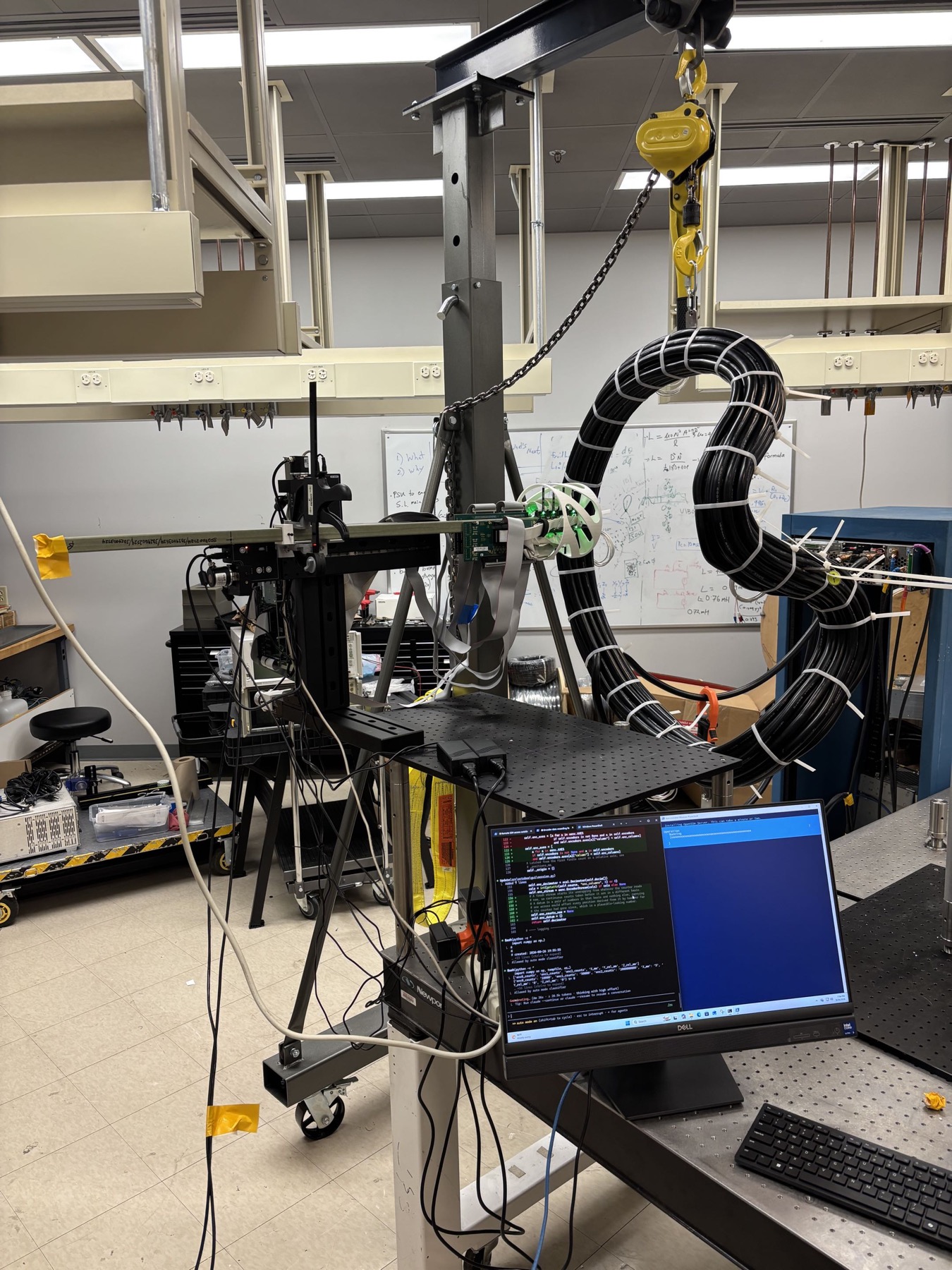
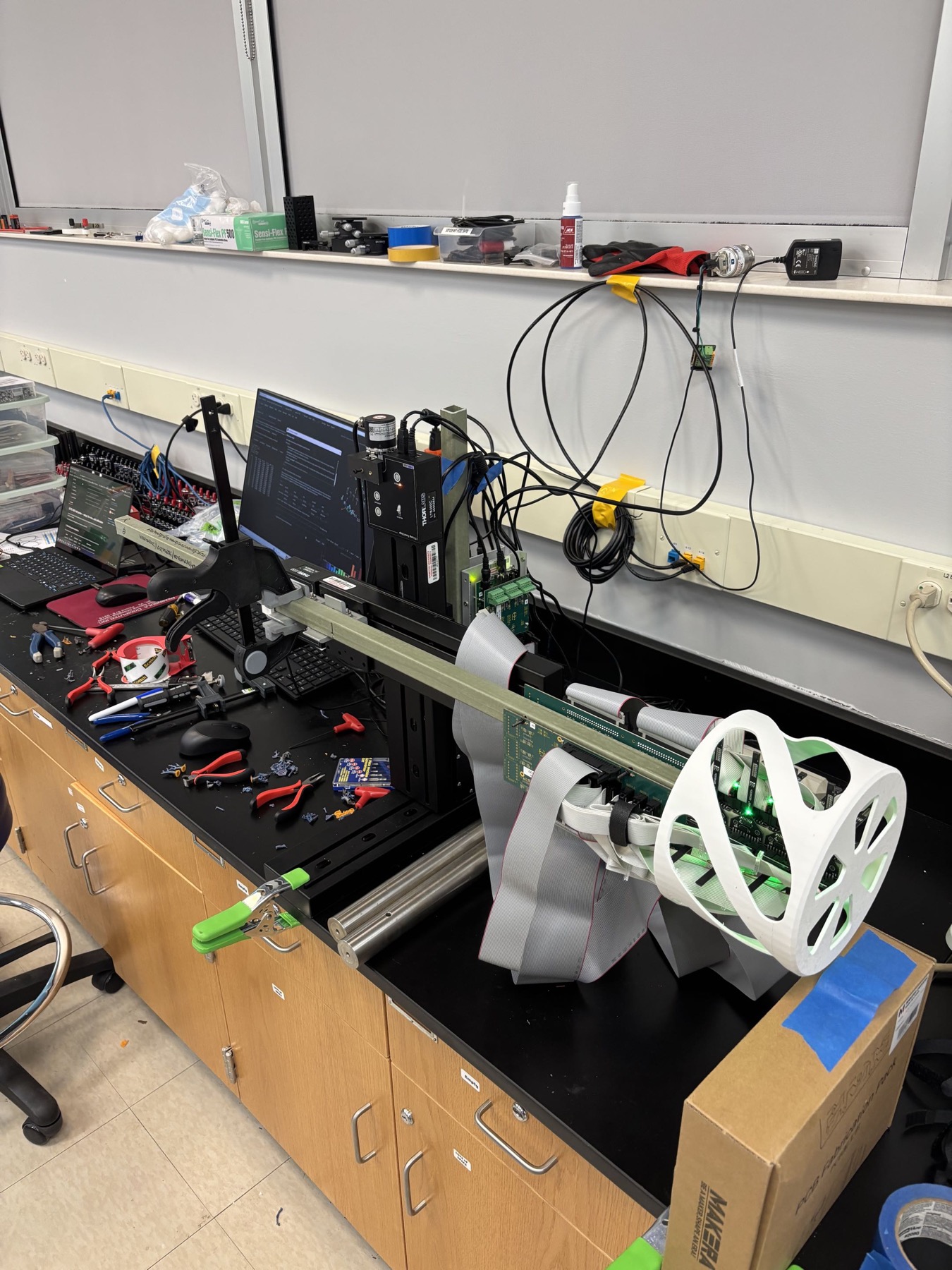
A programmable magnetic-field measurement system for Hampton University's STAR_Lite fusion research program. I engineered Python automation for Thorlabs Kinesis X/Y/Z LTS300C translation stages, including homing and precise control of position, speed, and acceleration.

star_lite-magnetic-field-system.py
01stages.initialize(["x", "y", "z"])
02stages.home_all()
03stages.move(x=(50, 10, 6), y=(30, 4, 2), z=(10, 2, 1))
04field = octobee.capture(position=stages.position())

ResultThe scan-orchestration pipeline coordinates stage motion with OCTO-BEE/SENIS Hall-probe acquisition, enabling repeatable 3D magnetic-field scans alongside programmable coil power control.

03

OCTO-BEE Hall probe tooling

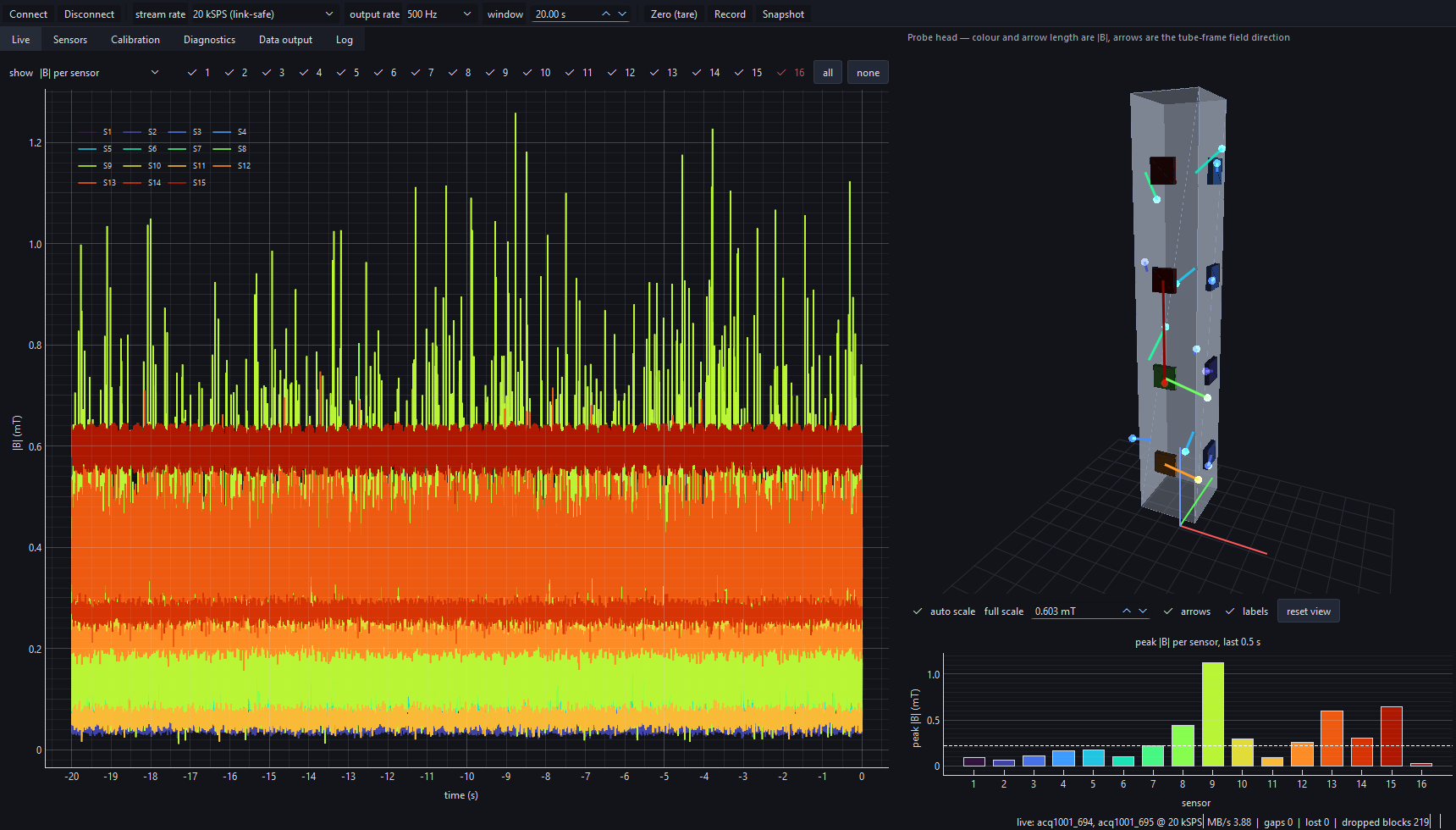
I co-developed a Python application for the 16-sensor, three-axis OCTO-BEE Hall probe, supporting hardware setup, live sensor visualization, calibration, reporting, and experimental data acquisition. The software reads two ACQ423 carriers and handles their different stream layouts.

octo-bee-hall-probe-tooling.py
01$ octobee probe info
02$ octobee live --mode grid --range 20
03$ octobee report --seconds 5
04$ octobee scan --config machine.json

ResultThe verified setup streams both carriers at 200 kSPS, exposes 48 labeled field traces, and integrates with the Thorlabs LTS300C stages for automated, calibrated magnetic-field mapping.

Presentations and technical documentation.

Download the original materials behind the research shown in this portfolio.

What's next

Building systems that make difficult science easier to use.

I'm interested in internships and collaborations across machine learning, scientific software, embedded systems, and automation.

Visit my GitHub